
The Nutrition Habit Most Women Start Too Late
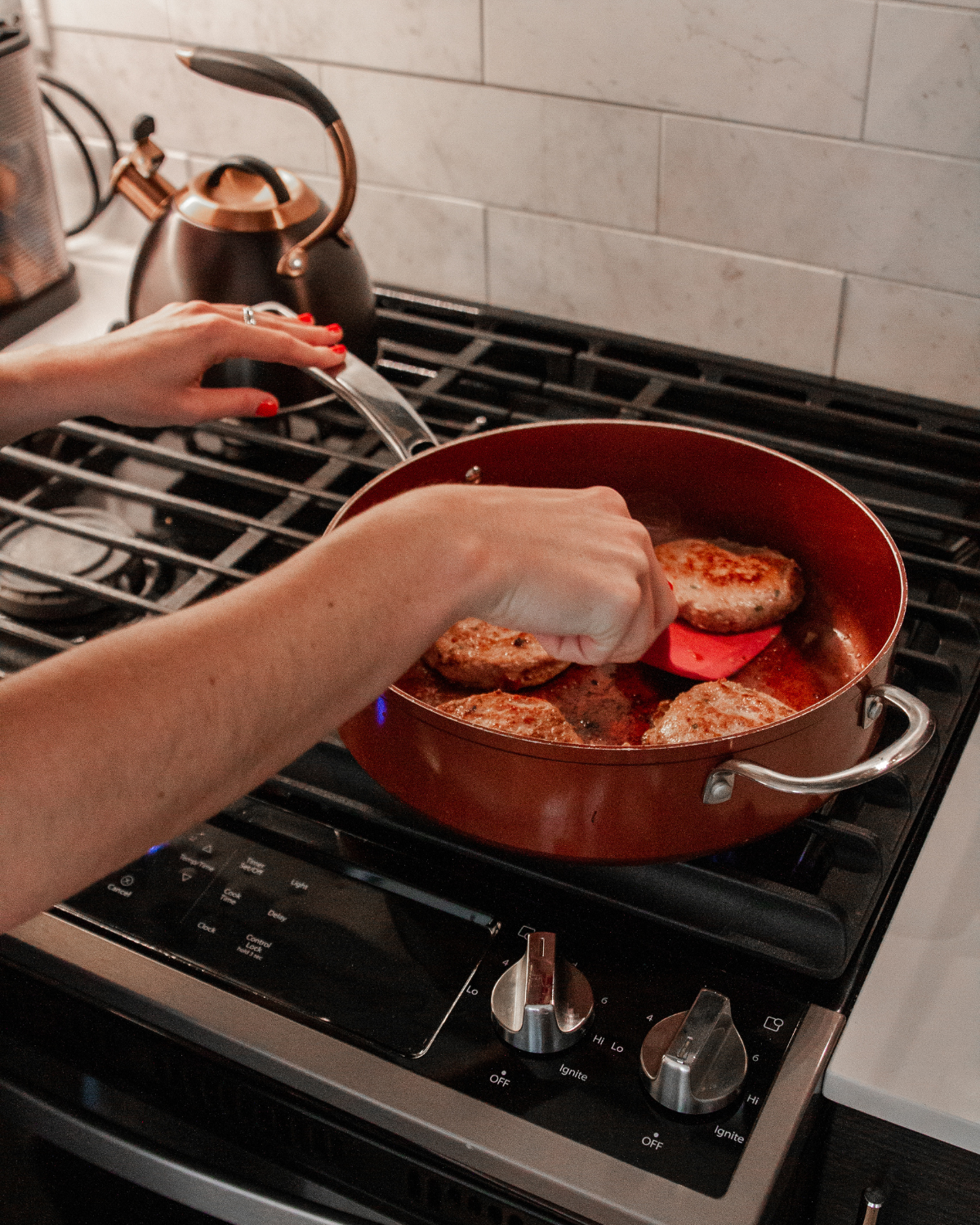
Protein has been having its moment for a while now in the nutrition space. Protein coffee. Protein cereal. Protein snacks. Protein desserts. Some of it is helpful… some of it is just clever marketing.
But the reason protein is trending is actually pretty simple: researchers and health professionals are increasingly realizing how important muscle health is for long-term wellbeing.
Muscle isn’t just about aesthetics or athletic performance. It plays a major role in:
• metabolism
• blood sugar regulation
• energy levels
• bone health
• injury prevention
• overall longevity
And one of the biggest factors that helps support muscle is adequate protein intake.
The Muscle We Build Now Matters Later
Here’s the part that often surprises people. Around our 30s, the body naturally begins a gradual process of losing muscle mass over time if we’re not actively supporting it. This is called sarcopenia, and it’s one of the reasons strength and mobility can decline later in life.
But here’s the encouraging part: The more muscle and strength we build earlier in adulthood, the more reserve we have as we age.
Think of it like a retirement account for your body. The habits you build now: strength training, nourishing food, adequate protein — all contribute to the “deposit.” Waiting until later in life to think about protein is a bit like trying to start saving for retirement at 65. It’s not impossible, but it’s much easier if you start earlier.
Why Many Women Are Undereating Protein
Another reason this conversation matters earlier in life is that many women unintentionally under-consume protein for years.
A typical day might look like:
Breakfast: toast, oatmeal, or cereal
Lunch: salad or sandwich
Dinner: maybe some protein, but not always much
By the end of the day, many people are only hitting 40–60 grams of protein, when their body might benefit from closer to 90–120 grams, depending on body size and activity.
When protein is consistently low, people often notice:
• feeling hungry soon after meals
• energy dips during the day
• increased cravings
• slower workout recovery
Often, this isn’t a discipline issue; it’s simply a fueling issue.
A Simple Way to Start
The good news is this doesn’t need to become complicated. One of the easiest habits is simply asking yourself: “Did this meal include a meaningful source of protein?” Build meals around protein first, then add the rest. Small shifts like this can help keep you fuller, support muscle health, and provide more steady energy throughout the day.
One thing I’ve noticed personally (and something I see often when coaching people) is that when protein intake improves, a lot of other things start to fall into place. Energy stabilizes. Cravings decrease. Meals feel more satisfying.
It’s not about eating perfectly or obsessing over numbers. It’s simply about fueling the body in a way that supports the life you want to live, both now and decades from now. Because the truth is, the goal isn’t just to feel good today. It’s to still feel strong, capable, and vibrant in the years ahead. And the habits we build today are what help make that possible.
XO,
Coach Caroline
Up Next
Here are a few more posts we think you’ll love:
Fueling your body doesn’t have to feel complicated. In this guide, we’re breaking down exactly how to use Fuel to simplify meal planning, grocery shopping, and balanced nutrition—so you can stay consistent without the stress.